Security design system
Scaling design consistency, product modernization, and reusable experiences across the Microsoft Security ecosystem.
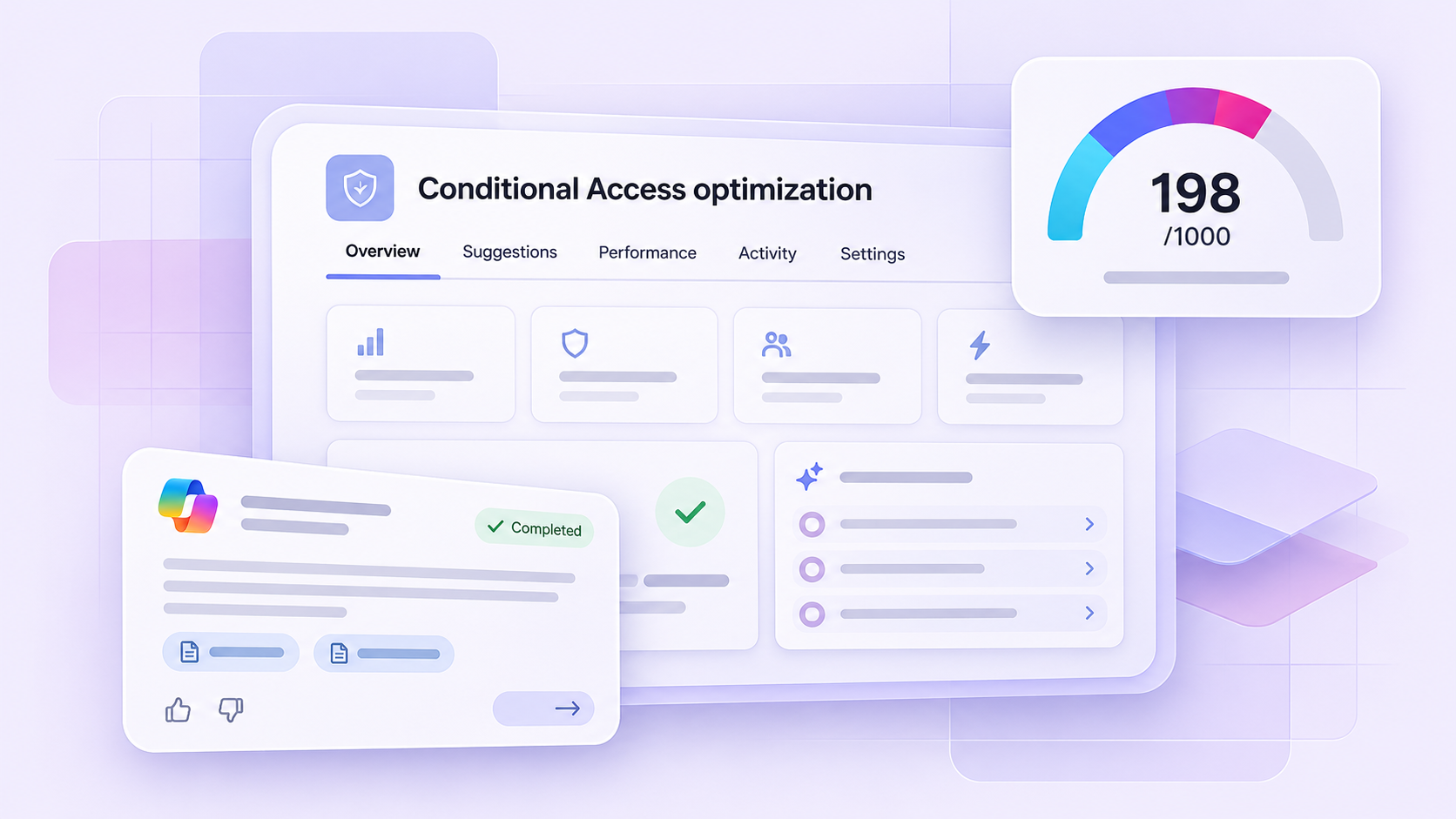
Microsoft Security spans a diverse ecosystem of products, each with its own technical foundations, customer needs, and established design patterns. Security Fluent Extensions (SFE) was established to unify these experiences through shared components, patterns, and design guidance.
As a contributing member of the SFE team and the design liaison for Microsoft Entra, I worked at the intersection of product design, platform strategy, and engineering modernization. My role extended beyond contributing to the library to shaping how teams adopted, evolved, and scaled shared design foundations across Security.
Designing for an entire ecosystem
One ecosystem. Many moving parts.
Microsoft Security products had evolved independently, resulting in different design patterns, technical frameworks, and approaches to solving similar customer problems. As new capabilities emerged, particularly across AI and agent experiences, teams risked introducing further fragmentation.
A shared component library alone could not solve this challenge. Adoption required navigating legacy technologies, accommodating unique product requirements, establishing clear contribution pathways, and aligning teams around common design decisions.
The opportunity was to create consistency without sacrificing the flexibility individual products needed to evolve.
Establish shared design foundations that enable consistency at scale while preserving product flexibility and supporting technical modernization.
Bridging product and platform
As the Entra design liaison within the SFE team, I operated across two interconnected levels of responsibility. I represented the needs of Entra within the broader Security design system while helping product teams translate shared design foundations into practical solutions.
My work centered on three complementary areas of influence.
Represent
Advocate for product needs
Represent Entra requirements within the SFE team and identify gaps in shared components and guidance.
Enable
Support adoption at scale
Guide designers, PMs, and engineers through adoption decisions, technical constraints, and modernization.
Evolve
Build reusable foundations
Contribute components, patterns, and experience architecture that address shared needs across Security.
Making adoption a design decision
Adopting SFE was not as simple as replacing existing components. Teams needed guidance on when to adopt shared patterns, when to modernize legacy experiences, and how to address requirements that the design system did not yet support.
I helped shape a practical decision framework that encouraged teams to consider SFE early in the design process, prioritize reuse, and identify opportunities to contribute back to the shared system rather than introducing unnecessary product specific solutions.
Modernizing beyond the interface
For Entra, adopting SFE was closely tied to a broader engineering modernization effort. Many existing experiences were built on legacy Knockout frameworks, while SFE relied on React and modern Fluent foundations.
I partnered with design and engineering to navigate these dependencies, helping teams distinguish between visual updates and opportunities for meaningful modernization. This required balancing technical feasibility, existing functionality, shared component readiness, and product delivery priorities.
Legacy experiences
Knockout frameworks, existing patterns, and product specific implementations.
Design + engineering
Evaluate dependencies, component readiness, accessibility, and functional parity.
Modern experiences
React, Fluent, and reusable SFE components that support greater consistency.
Designing once, scaling across products
Beyond enabling adoption, I contributed to the evolution of the design system itself. By identifying common needs across products, I helped translate individual requirements into reusable foundations that could support a broader range of experiences.
My contributions spanned three levels of the design system: page architecture, interaction patterns, and foundational components.
Establishing a common agent experience
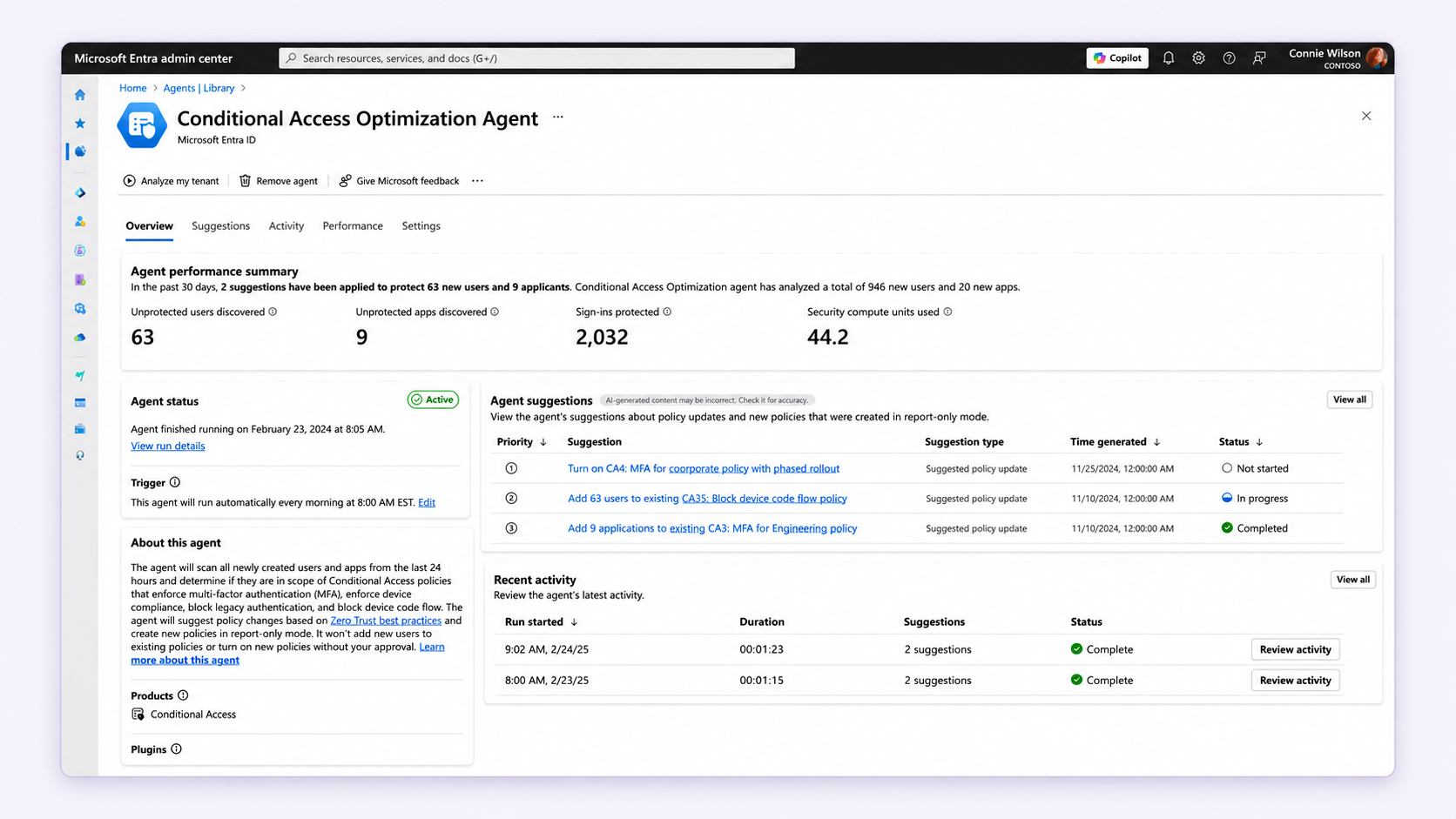
As agent experiences expanded across Microsoft Security, teams began developing similar overview pages with different structures and custom components. I led the design of a shared Agent Overview template, consolidating requirements across agent scenarios and product teams into a flexible page architecture.
The template prioritized key tasks, progressive disclosure, and reusable modules while accommodating the unique needs of individual agents.
Bringing AI insights into existing workflows
AI experiences needed a consistent way to communicate generated insights and recommended actions beyond conversational interfaces.
I contributed to the design and evolution of a reusable inline output pattern, working across product teams to accommodate different use cases, interaction requirements, and responsible AI considerations. This work contributed to the InlineOutputCard released within SFE.
Creating a scalable visualization foundation
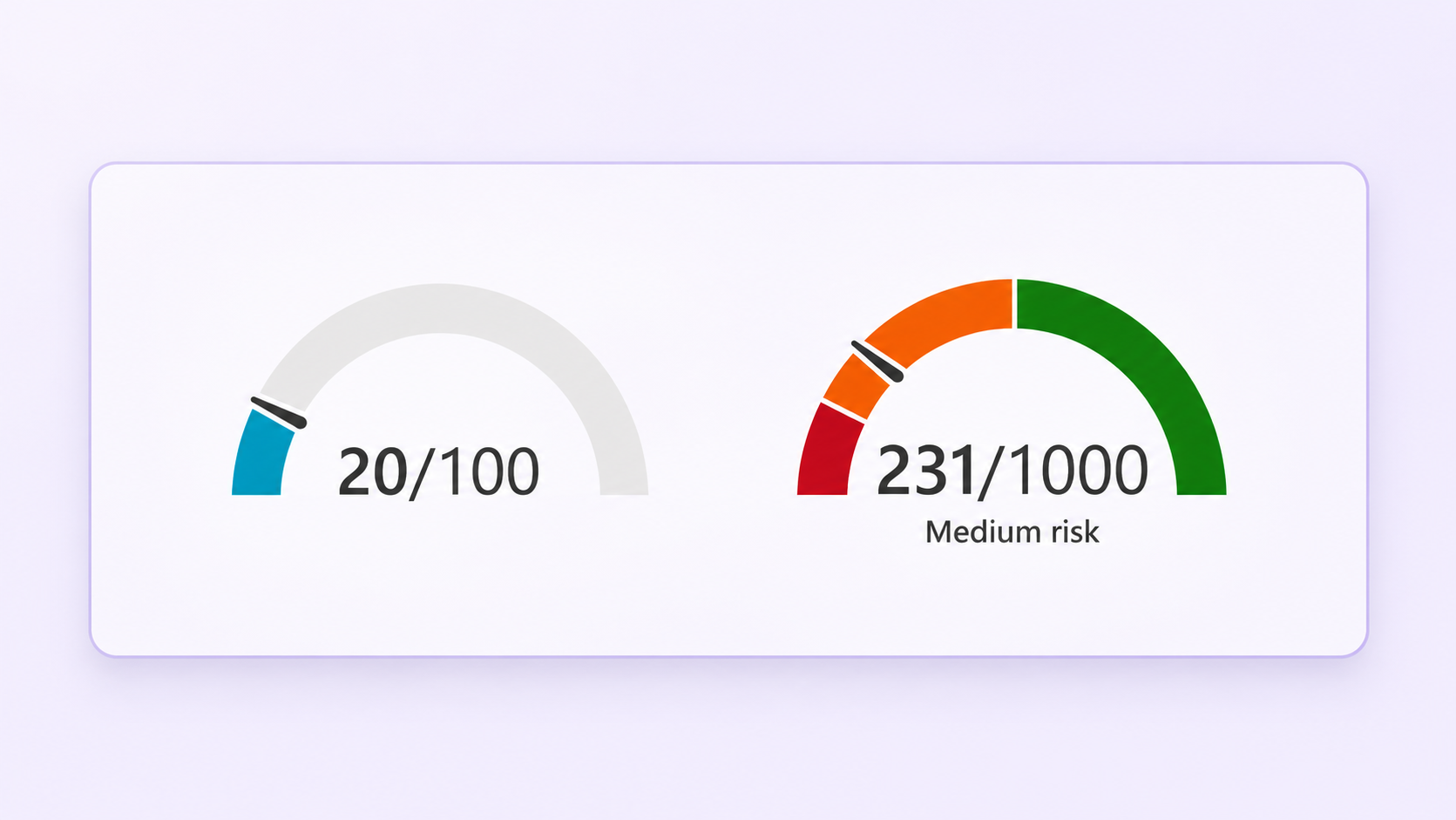
Security products needed a consistent way to communicate scores, thresholds, and progress across different data visualization scenarios.
I designed a flexible gauge chart specification that accommodated configurable ranges, segments, baselines, thresholds, and legends. Rather than solving for a single product requirement, I considered how the component could support diverse use cases across the Security ecosystem.
My contributions to Security Fluent Extensions extended beyond individual components and experiences. By connecting product requirements, engineering modernization, and shared design strategy, I helped establish a more cohesive approach to designing across Microsoft Security.
As the ecosystem continues to evolve, particularly with the emergence of agentic AI, these shared foundations enable teams to build on established patterns rather than solve the same problems independently.
Building foundations for what comes next
PMs and designers
Supported through adoption guidance, design reviews, and office hours in a single quarter.
Projects unblocked
Enabled through the introduction of a shared wizard editing experience.
Levels of design
Contributions spanning page architecture, interaction patterns, and foundational components.